

The Allure of Risk: Why People Gamble
The thrill of uncertainty is a powerful draw for many individuals who engage in casino gaming. The act of testing one’s luck in games of chance invites both excitement and anxiety, creating a unique cocktail of emotions that can be hard to resist. This desire for risk is often amplified by the allure of potential rewards, and options like casino fast withdrawal uk make it even more appealing. Jackpot dreams and the possibility of transforming a modest wager into life-changing wealth fuel a compelling narrative that can entice players back to the tables time and time again. The unpredictability of outcomes enhances the excitement, making the experience feel alive and engaging.
Additionally, the psychological concept of “loss aversion” plays a significant role in why people gamble. Research shows that individuals tend to feel the pain of losses more intensely than the joy of equivalent wins. This dynamic can lead players to chase losses, feeling compelled to recover what they have lost in hopes of restoring their emotional balance. The thought of a big win can become an obsession, overshadowing rational decision-making and keeping individuals engaged longer than they might initially intend. This cycle can lead to problematic gambling behavior as individuals become trapped in a quest for recovery and success.
Moreover, social factors contribute significantly to the allure of gambling. Casinos provide an environment filled with energy and excitement, where people gather, celebrate, and share experiences. The vibrant atmosphere, combined with the sounds of winnings, creates a sense of belonging and community among players. This combination of risk and social interaction forms a powerful psychological incentive that encourages individuals to partake in gaming, regardless of the potential financial consequences. The social aspect of gaming often masks the risks, making the experience feel more about camaraderie than potential loss.
The Role of Cognitive Biases in Gambling Decisions
Cognitive biases profoundly affect how individuals approach gambling, often leading them to make irrational decisions. One prevalent bias is the “gambler’s fallacy,” which is the belief that past events influence future outcomes in games of chance. Many players imagine that after a series of losses, they are “due” for a win, leading to continued play despite mounting losses. This fallacy can create a false sense of control over an inherently unpredictable situation, urging individuals to hold on to hope and engage further. Such beliefs can cloud judgment, resulting in an irrational commitment to the game.
The “illusion of control” is another bias that affects gamblers. Players often believe they can influence the outcome of games that are purely chance-based, such as slot machines or roulette, by employing strategies or rituals. This feeling of control enhances their involvement, making them more likely to gamble. Even simple actions such as choosing specific numbers or avoiding certain machines can contribute to this illusion, reinforcing the player’s engagement with the casino environment. This psychological mechanism allows players to feel empowered, even when the odds are stacked against them.
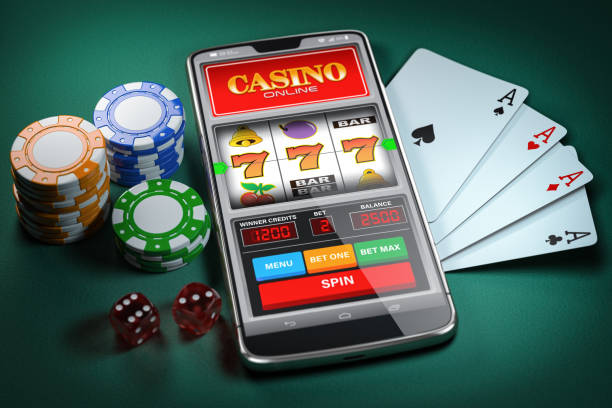
Lastly, the “availability heuristic” plays a role as well. Gamblers tend to focus on vivid, memorable outcomes — such as stories of big wins — while disregarding the more frequent, less glamorous losses. This selective memory can skew perceptions of reality, leading individuals to overestimate their chances of winning. The more they hear about others winning, the more convinced they become that they too can achieve success, driving them to engage in gaming behaviors that may not align with their actual probabilities of winning. This skewed perception can foster a dangerous cycle of gambling where individuals continue to play despite unfavorable odds.
Emotional Regulation and Gambling
Many individuals turn to casino gaming as a means of emotional regulation or escapism from everyday stressors. The immersive experience provided by gambling environments can temporarily distract players from their problems, offering a brief respite from reality. As players engage in games, the focus shifts from personal issues to the thrill of play, allowing for an emotional release. However, this form of escapism can quickly become problematic when individuals lose track of time and money, leading to greater stress and potential financial difficulties.
Gambling can also serve as a way for people to cope with negative emotions such as anxiety, sadness, or boredom. In such cases, the transient pleasure derived from winning or even the excitement of playing can provide a short-term boost in mood. However, this often leads to a cycle where players gamble to feel better, only to experience guilt or regret afterward. This creates a repetitive loop, trapping individuals in a cycle of seeking out gambling as a way to cope with their feelings, which can solidify unhealthy gambling habits and exacerbate emotional distress.
Furthermore, the impact of emotional states on decision-making can be profound. When in a heightened emotional state, whether positive or negative, gamblers may make impulsive choices that deviate from their typical behavior. This can lead to spending more than intended and pursuing riskier bets. The intertwining of emotions and gaming creates a landscape where psychological well-being is closely linked to gambling habits. Understanding these dynamics is essential to promote awareness and encourage responsible gaming practices, as players navigate their emotional landscapes.
Marketing and Environmental Influences of Casinos
The strategic marketing employed by casinos plays a crucial role in shaping the psychological experience of players. From the design of the physical environment to promotions and loyalty programs, every aspect is crafted to enhance the gaming experience and encourage repeat visits. Casinos often create visually stimulating environments filled with bright lights, cheerful sounds, and the intoxicating smell of complimentary beverages. These elements tend to elevate excitement levels, encouraging prolonged play and drawing players deeper into the gaming atmosphere.

Moreover, the use of music and sound effects further manipulates players’ emotions and enhances the gaming atmosphere. Studies have shown that certain types of music can influence players’ perceptions of time, making them less aware of the hours passing as they play. When combined with the excitement of a possible win, these environmental cues can lead to extended gaming sessions, often resulting in unplanned expenditures. The careful orchestration of sensory experiences creates an environment where players lose track of time and money.
Casinos also leverage the concept of social proof as a marketing tactic. By showcasing winners and high-stakes games prominently, they create a perception that such outcomes are more common than they actually are. This social validation can entice new players to join in, believing that fortune is within reach. In combination with targeted advertisements and promotional offers, casinos craft an irresistible narrative that plays on players’ psychological desires and biases, increasing their likelihood of participation. This strategy not only attracts new players but also keeps existing ones engaged and hopeful for a big win.
Understanding the Psychological Landscape of Casinos
The psychological intricacies of casino gaming reveal much about the human experience and highlight the importance of understanding these dynamics for responsible gaming. As the thrill of chance, cognitive biases, emotional needs, and marketing tactics intertwine, they paint a complex picture that can lead to both enjoyment and potential harm. Awareness of these factors is crucial for players and operators alike, as it encourages a more thoughtful approach to gaming and its impacts on individuals. Understanding the psychological landscape can foster healthier gaming habits among players.
Given the intricate interplay of psychology and casino gaming, individuals considering gambling should take a moment to reflect on their motivations and potential consequences. Recognizing the psychological triggers that may influence behavior can empower players to gamble responsibly, making informed choices that prioritize their well-being. Operators, on the other hand, have a responsibility to foster a gaming environment that promotes healthy engagement. This includes providing resources and support for players who may be struggling with their gambling habits.
As the gaming industry continues to evolve, understanding the psychological landscape will remain paramount. Ongoing research and discussions around responsible gaming practices can foster a culture that prioritizes mental health while still allowing individuals to enjoy gaming in moderation. Ultimately, a balanced approach can lead to a more fulfilling and sustainable gaming experience, benefiting players and the industry alike. By fostering awareness and encouraging responsible practices, the psychological impacts of casino gaming can be navigated more effectively.